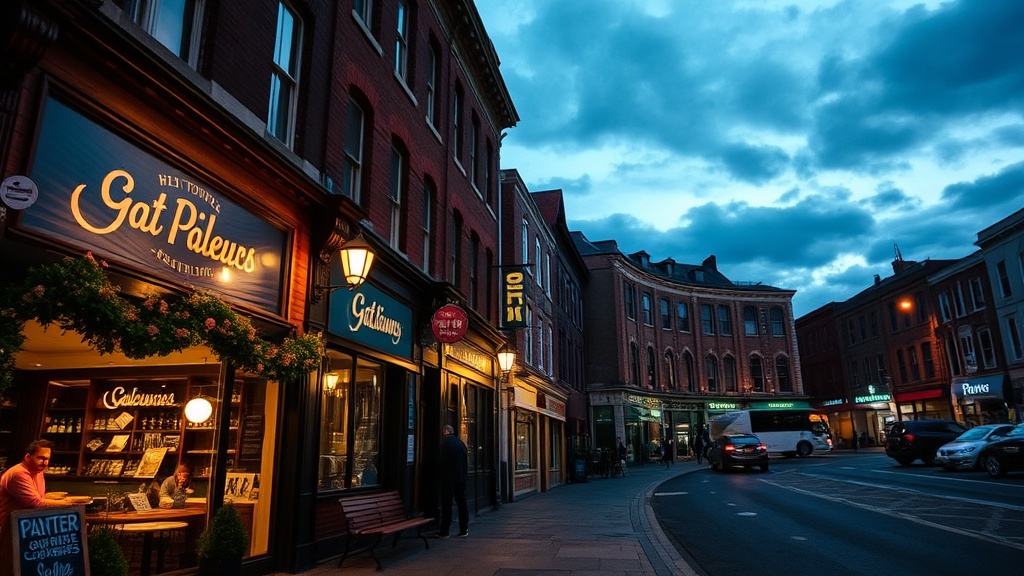
Gastown's Best Kept Secrets: Hidden Gems Locals Love

This guide uncovers the overlooked corners, under-the-radar businesses, and quiet pockets of character that make Gastown worth exploring beyond the obvious. Whether you've called this neighborhood home for years or you're simply curious about what locals actually value here, you'll find spots that don't appear on typical maps—and that's exactly the point.
What hidden spots do Gastown locals actually frequent?
The real gems are tucked behind unmarked doors, up narrow staircases, and along the quieter stretches of Cordova Street. Locals know that Water Street gets the attention, but the character lives in the alleyways and side streets.
Start at Gaoler's Mews—a cobblestone courtyard that most pedestrians walk right past. This tiny cluster of heritage buildings (once home to Vancouver's first jail) now houses independent studios and a discreet whiskey bar that's never advertised. It's the kind of place you stumble into accidentally and then can't stop returning to.
Nearby, the Byrnes Block Building at the corner of Water and Carrall Streets doesn't look like much from the outside. The catch? Its upper floors contain some of the most affordable artist studios left in Gastown—and the ground-floor pub has been pouring pints since before most of us were born. You won't find tour groups here. You'll find people who actually live in the area, arguing about hockey and checking their phones for the next Canucks game.
Further east, the stretch of Powell Street between Main and Gore hides a surprising concentration of independent bookbinders, print shops, and analog photography studios. These aren't businesses courting foot traffic. They're workspaces that happen to welcome visitors who know enough to knock.
| Spot | What to Expect | Best For |
|---|---|---|
| Gaoler's Mews | Hidden courtyard, cobblestones, studios | Quiet afternoon wander |
| Byrnes Block Building | Historic pub, artist studios upstairs | After-work conversation |
| Powell Street (east end) | Print shops, binders, photo studios | Creative inspiration |
| Blood Alley (north side) | Discreet patios, no signage | Escaping the crowds |
Where can you find authentic Gastown community spaces?
The neighborhood's real community hubs aren't marketed as such. They're the places where people recognize each other, where staff remember your order, and where the WiFi password isn't posted because nobody's there to work remotely anyway.
The Alibi Room on Alexander Street fits this description perfectly. Yes, it's a bar—but more importantly, it's where local brewery representatives meet with distributors, where building managers complain about heritage restoration permits, and where you can overhear actual conversations about what's happening in our community. The beer selection rotates constantly, but the crowd stays consistent: people who care about this neighborhood and pay attention to its politics.
Worth noting: the small plaza at Maple Tree Square (where Water, Carrall, Powell, and Alexander converge) functions as Gastown's unofficial living room on sunny afternoons. The benches fill with dog walkers, retail workers on break, and older residents who've lived here since before the condos arrived. It's not designed as a gathering space—there's no programming, no events calendar—but it works because of its location and the fact that it's one of the few spots in Gastown where you can sit without buying something.
On the quieter side, the Vancouver Public Library maintains a small but well-curated local history collection at their central branch, just a short walk from Gastown's core. For anyone trying to understand how this neighborhood has transformed—and what forces shaped its current character—this resource is invaluable.
Which overlooked businesses define Gastown's character?
For every ten Instagram-friendly storefronts on Water Street, there's one business that's been operating quietly for decades, serving needs that haven't changed much since the neighborhood's rougher days.
Old Faithful Shop on Cordova Street looks like a lifestyle boutique from the outside—and it is—but it's also been instrumental in preserving the kind of practical, well-made goods that Gastown's working residents actually need. Their selection of durable workwear, heritage tools, and local publications reflects an understanding of this community that goes deeper than aesthetic. You can buy a fancy candle there, sure. You can also buy a proper wool blanket that'll last through a Vancouver winter.
Here's the thing about Gastown: the neighborhood has always been a place where people make things. That legacy survives in unexpected places. A leatherworker operating out of a basement workshop on Cambie Street. A letterpress printer in a heritage building near the waterfront. These aren't "experiences" designed for visitors. They're functional businesses that happen to be interesting because they still exist in a neighborhood that's otherwise transforming rapidly.
The Vancouver Heritage Foundation offers walking tours and resources that document these businesses and buildings, preserving stories that might otherwise disappear as leases turn over and new development arrives. Their work helps explain why certain blocks feel different from others—and why that matters.
How has Gastown's hidden space changed recently?
The short answer: dramatically, and not always in ways locals welcome.
Rising commercial rents have pushed many longtime operators to the edges of the neighborhood or out entirely. What was once a concentration of independent businesses along the western end of Cordova has thinned. That said, new pockets of resistance have emerged. Artist collectives have claimed space in the less-glamorous buildings east of Main Street. Small-batch manufacturers have moved into industrial spaces that were never intended for retail.
The character of Gastown now varies significantly by block. The difference between the 100 block of Water Street (heavy foot traffic, souvenir shops, photo opportunities) and the 300 block (quieter, more locals, actual neighborhood services) is striking. They're technically the same street. They barely feel like the same neighborhood.
This fragmentation is challenging for community cohesion. It's also what creates the hidden gems. The businesses that survive in the quieter corners do so because they serve genuine needs, not because they're positioned to catch tourist overflow. When you find a good one—like the small hardware supplier hidden in a heritage building off Powell, or the tailor who operates by appointment only in a second-floor walkup—you've found something that exists because of local demand, not marketing strategy.
The alleys that matter
Blood Alley gets the most attention, and for good reason—it's atmospheric, historically significant, and photogenic. But locals know that Trounce Alley (running parallel, one block north) offers a more authentic glimpse into how this neighborhood actually functions. Delivery entrances, staff smoking breaks, the back doors of restaurants. It's not pretty. It's real.
Similarly, the small passageways connecting Water Street to Cordova Street serve as shortcuts for people who work here, revealing second-floor businesses and rooftop access points that aren't visible from the main thoroughfares. These aren't destinations. They're the connective tissue of the neighborhood—and exploring them reveals how Gastown actually works.
"The best parts of this neighborhood aren't the ones with the nicest signage. They're the ones where you have to know someone to know they exist." — overheard at Alibi Room, 2024
Why these places matter to our community
Gastown faces genuine pressure from development, tourism, and the same forces reshaping every historic urban neighborhood. The hidden gems aren't just charming—they're evidence that this area still functions as a real place where people live and work, not merely a backdrop for photographs.
Supporting these businesses (and simply knowing about them) helps maintain the diversity that makes Gastown interesting beyond its postcard appeal. When you buy a notebook from the binder on Powell Street, or get your shoes repaired at the shop that's been operating since the 1980s, or drink at the pub where the bartenders know the regulars by name—you're participating in something that can't be replicated by a chain store or a tourist-oriented experience.
The neighborhood's future will be determined by which version of Gastown wins out: the curated, marketed, visitor-focused district, or the messy, functional, layered community that locals handle daily. The hidden gems represent the latter. They're worth seeking out—not because they're secret, but because they prove that Gastown is still a place where real life happens, even as everything around it changes.
For updates on heritage preservation and community planning efforts affecting these spaces, the City of Vancouver's planning department publishes reports and meeting minutes that detail what's being proposed, what's being protected, and how residents can participate in the conversation.
So take the alley. Climb the unmarked stairs. Ask the person next to you at the bar where they go when they want quiet. Gastown rewards curiosity—but only if you're looking for the real thing, not the version designed for cameras.