The Ultimate Visitor's Guide to Vancouver's Historic Gastown District

This guide covers everything you need to know about exploring Vancouver's oldest neighbourhood — from the best times to visit and where to eat, to the hidden spots most tourists miss. Whether you're planning a day trip or a week-long stay, Gastown offers something genuinely different from the glass-and-steel modernity of downtown Vancouver. You'll find cobblestone streets, heritage architecture, independent boutiques, and some of the city's most acclaimed restaurants — all within a walkable few blocks.
What Is Gastown and Why Should You Visit?
Gastown is Vancouver's original downtown core, established in 1867 when "Gassy" Jack Deighton opened the area's first saloon. Today, it's a designated National Historic Site that blends 19th-century brick warehouses with contemporary design shops, craft cocktail bars, and award-winning eateries. The neighbourhood stretches roughly from Richards Street to Main Street, and from the waterfront up to Hastings Street — though the heart of it beats strongest along Water Street and Maple Tree Square.
Here's the thing about Gastown: it doesn't feel like a museum piece. Unlike some historic districts that trade purely on nostalgia, this neighbourhood functions as a living, working community. Creative agencies occupy upper floors of converted warehouses. Locals grab coffee at Revolver before heading to offices nearby. Artists and designers run studios in the lanes behind Water Street. You'll find tourists snapping photos of the Steam Clock alongside Vancouverites walking their dogs or meeting friends for after-work drinks.
The area underwent significant regeneration in the 1970s and 80s, transforming from a gritty skid row into the polished destination you'll see today. That said, Gastown hasn't lost its edge entirely. The mix of high-end retail, casual pubs, and social services means the neighbourhood retains a complexity that more sanitised tourist areas often lack.
When Is the Best Time to Visit Gastown?
Any season works, but autumn (September to November) offers the sweet spot of pleasant weather, thinner crowds, and the soft golden light that makes those heritage brick buildings photograph beautifully.
Summer brings cruise ship passengers and bustling patios. The streets fill with energy, and you'll queue longer for tables at popular spots like L'Abattoir or The Flying Pig. If you don't mind the crowds, July and August deliver long evenings perfect for al fresco dining.
Winter has its own charm. The cobblestones glisten when it rains (which is often), and the restaurants feel cosy rather than cramped. The Steam Clock puffs more dramatically in the cold air. Worth noting: Gastown's holiday decorations are understated but elegant — no flashing neon, just warm lights in the trees and the occasional wreath on a cast-iron lamppost.
Spring can be unpredictable weather-wise, but you'll catch the neighbourhood before the summer rush. Many restaurants run pre-season specials in April and May to draw locals back after the winter lull.
Time of Day Matters
Mornings in Gastown are quiet — almost meditative. The coffee shops open around 7 AM, and you can wander the streets with minimal interruption. Photographers favour this hour for shots of the Steam Clock without the usual throng of selfie-takers.
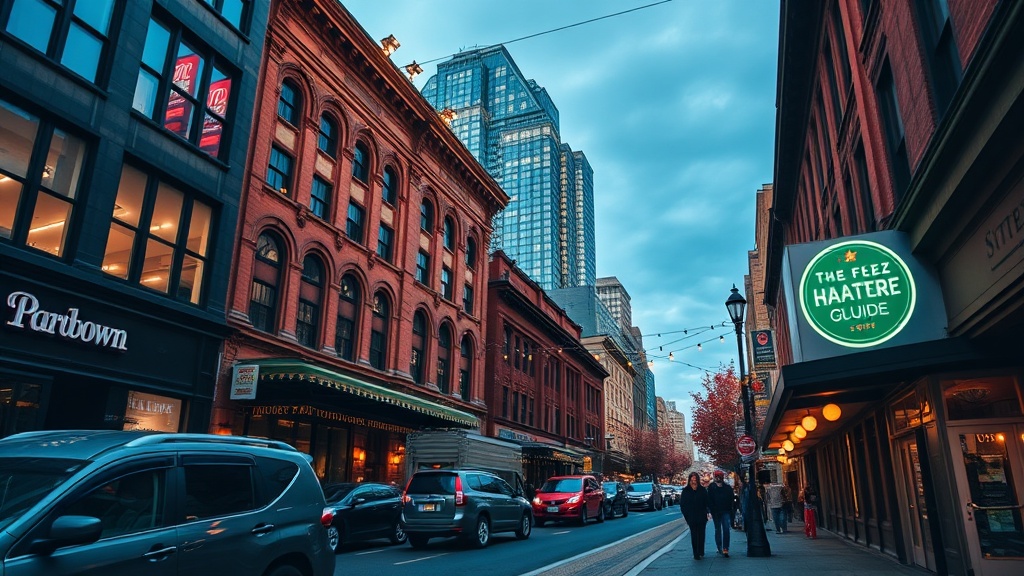
Evenings shift the energy entirely. The restaurants fill. The bars open. The heritage street lamps flicker on, casting amber light across the wet cobblestones. If you want the full Gastown experience — dinner, drinks, and a stroll — aim to arrive by 5 PM and stay until at least 9 PM.
Where Should You Eat and Drink in Gastown?
The dining scene here spans from casual counter-service to tasting-menu fine dining, with strong representation from Vancouver's farm-to-table movement and a surprisingly robust selection of casual pubs.
L'Abattoir occupies a former jail in Blood Alley and remains the neighbourhood's flagship restaurant. The French-influenced Pacific Northwest cuisine — think spot prawns with preserved lemon or duck breast with huckleberry — justifies the price point. Reservations recommended, especially for weekend dinners.
For something more casual, Tacofino serves Baja-style tacos and burritos from a bright, tiled counter on Cordova Street. The fish taco — tempura-battered cod with cabbage, salsa fresca, and chipotle mayo — has achieved local legend status. It's affordable, fast, and consistently good.
The Flying Pig on Water Street offers comfort food with a Canadian twist: poutine with duck confit, maple-glazed salmon, or a properly executed Caesar cocktail (that's the Canadian version with clamato juice, not the salad). The atmosphere is loud, friendly, and unpretentious.
For drinks, The Diamond upstairs at 1 West Cordova provides cocktails with a view — specifically, a bird's-eye perspective of Maple Tree Square and the Steam Clock below. The bartenders know their classics and their originals. The Alibi Room on Alexander Street focuses on craft beer, pouring from over 40 taps including numerous local breweries like Brassneck and Four Winds.
Coffee culture runs deep here. Revolver on Cambie Street operates with the seriousness of a wine bar — single-origin pour-overs, rotating roasters, no milk alternatives if they compromise the coffee's integrity. If that's too precious, Timbertrain Coffee Roasters on Water Street offers excellent espresso in a more relaxed setting.
What Are the Must-See Attractions?
The Gastown Steam Clock stands as the neighbourhood's most photographed landmark — and yes, it's worth seeing despite (or because of) its touristy reputation. Built in 1977 by Raymond Saunders, it's one of the few functioning steam clocks in the world. It whistles and puffs steam every 15 minutes, playing the Westminster Quarters on the quarter-hour and a longer tune on the hour. The best photos come from the southwest corner of the intersection, capturing the clock against the backdrop of the Byrnes Block — the area's oldest building, dating to 1886.
Blood Alley — actually a collection of interconnected laneways — offers a grittier, more atmospheric experience than the main drags. The name's origins are debated (some say butchers once worked here; others claim it refers to violent history). Today, it's home to several restaurants, a handful of boutiques, and some of the best-preserved brickwork in the district. It's also significantly less crowded than Water Street.
The Gassy Jack Statue at the corner of Water and Carrall Streets marks the approximate site where Deighton established his saloon. The statue itself is modest, but the surrounding square — Maple Tree Square — serves as the neighbourhood's unofficial living room. Street performers often set up here, and it's a natural gathering point.
For a deeper dive into the area's history, the Vanier Park Discovery Walk (technically just outside Gastown's boundaries but easily accessible) offers interpretive signage about Vancouver's founding. Within Gastown itself, keep an eye out for the heritage plaques embedded in the sidewalks — they detail the original businesses and residents of specific buildings.
Hidden Gems Most Visitors Miss
The Gastown-owned alleys and upper floors hide surprises. Look up as you walk — many buildings retain original painted advertisements on their brick facades, slowly fading but still legible. The "Wing Sang Building" on Pender Street houses the Rennie Museum (by appointment), one of Canada's most significant private art collections — completely free to visit, though you need to book weeks in advance.
The Waterfront Station at the neighbourhood's western edge functions as a transit hub, but the building itself — a Beaux-Arts railway terminal from 1914 — merits a walk-through. The grand barrel-vaulted ceiling in the main concourse rivals anything in Europe.
Where Should You Shop?
Gastown's retail scene emphasises local design, Canadian-made goods, and independent boutiques over chain stores. You'll find few international brands here — which is precisely the point.
| Store | Specialty | Price Range |
|---|---|---|
| Neighbour | Menswear (filson, outerwear, grooming) | $$$ |
| One of a Few | Women's designer shoes and accessories | $$$ |
| Old Faithful Shop | Home goods, Japanese stationery, candles | $$ |
| John Fluevog Shoes | Quirky, architectural footwear | $$$ |
| Catalogue | Vintage clothing and accessories | $$ |
John Fluevog Shoes deserves special mention — the Vancouver-based designer's flagship store occupies a corner of Water Street, and the window displays alone are worth a pause. The shoes themselves split opinions (you'll either love the bold designs or find them unwearable), but the store represents exactly the kind of independent spirit that defines Gastown retail.
Old Faithful Shop on Cordova Street stocks a carefully edited selection of home goods — ceramic mugs, wool blankets, leather goods, and an impressive range of Japanese stationery. It's the kind of place where you enter needing nothing and exit with a linen tea towel you suddenly can't live without.
For souvenirs that don't scream "airport gift shop," Form Athletics (when open — hours are inconsistent) carries Vancouver-themed apparel designed by local artists. Or pick up a bag of beans from Revolver — practical, lightweight, and genuinely local.
How Do You Get to Gastown and Where Should You Stay?
Public transit makes Gastown easily accessible. The Waterfront Station serves as the terminus for the Canada Line (from Vancouver International Airport), the Expo Line, and the SeaBus from North Vancouver. From the station, you're a two-minute walk to the Steam Clock.
Several bus routes run along Hastings Street and Pender Street on the neighbourhood's northern and southern edges. The area is highly walkable once you arrive — the core district spans only about six blocks east-west and four blocks north-south.
Driving presents challenges. Parking is limited and expensive, with most spots metered or in private lots. The catch? Many of Gastown's streets are one-way or pedestrian-only, making navigation confusing for first-time visitors. If you must drive, park near the waterfront and walk in.
Accommodation Options
The Fairmont Waterfront sits just outside Gastown's official boundaries (across from Canada Place), offering five-star service with easy neighbourhood access. The Skwachàys Lodge on Pender Street provides something entirely different — Canada's first Indigenous arts hotel, where each room features original artwork and carvings by First Nations artists. Rates include access to the rooftop sweat lodge (reservations required).
Boutique options within Gastown itself have proliferated. The Hotel Le Soleil offers French-inspired luxury in a quiet location off the main drag. For budget travellers, hostels like Samesun Vancouver on Powell Street provide basic but clean accommodation in the heart of the action.
"Gastown isn't trying to be trendy — it just is. The neighbourhood has evolved organically over 150 years, and that authenticity is precisely what makes it worth your time."
Practical tips: Wear comfortable shoes. Those cobblestones are photogenic but unforgiving on heels or thin soles. Carry a light jacket regardless of season — Vancouver's weather shifts quickly, and the afternoon sun that warmed you during lunch can disappear behind marine clouds by dinner.
Also worth noting: Gastown borders the Downtown Eastside, a neighbourhood with significant homelessness and open drug use. While Gastown itself is generally safe and heavily patrolled, the transition can be abrupt — particularly along Hastings Street. Standard urban awareness applies: keep valuables secure, avoid isolated alleys at night, and don't engage with aggressive individuals.
For more information on Vancouver's history and current cultural programming, visit the Museum of Vancouver or check Tourism Vancouver's official site for seasonal events. The Gastown Business Improvement Area also maintains a current directory of shops, restaurants, and special events.
The neighbourhood rewards slow exploration. Don't just tick off the Steam Clock and leave. Duck into the alleys. Step into shops that catch your eye. Order one more drink than you planned at that cocktail bar. Gastown reveals itself gradually — and that's entirely by design.