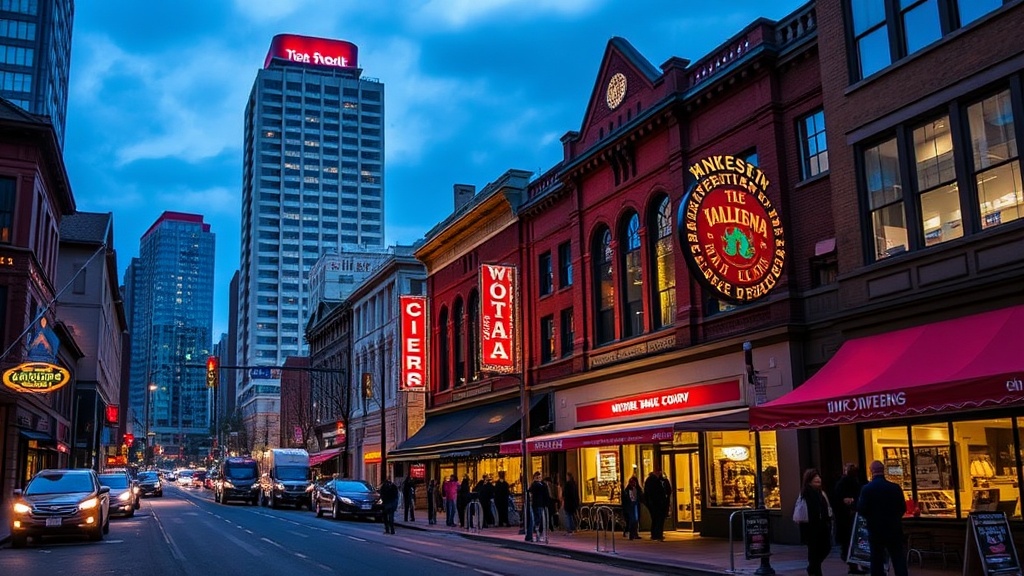
Which City Services Matter Most to Gastown Residents—and Where to Find Them

Did you know that Gastown's population has nearly doubled since 2016, yet our neighbourhood still operates with the same civic infrastructure designed for a much smaller residential community? That's created some real friction for locals trying to access services, pay utility bills, or sort out permits without trekking halfway across Vancouver. This guide cuts through the confusion—we're breaking down exactly which municipal services affect daily life in Gastown, where to access them, and what our community has been asking for.
Where Do I Pay Property Taxes and Utility Bills in Gastown?
Living in a heritage building on Cambie Street or a newer loft near Maple Tree Square comes with its own administrative quirks. Unlike suburban neighbourhoods with dedicated service centres, Gastown residents typically handle property tax payments and utility billing through the City of Vancouver's online portal or the main City Hall location on West 12th Avenue. There's no satellite office in our immediate neighbourhood—which, frankly, feels like an oversight given how many people now call Gastown home.
Here's what works for our community:
- Online payments: Set up pre-authorized debit through the city's website. Most Gastown condo buildings have strata management that handles the bulk of this, but individual owners still need personal accounts for municipal charges.
- In-person: City Hall at 453 West 12th Avenue accepts payments and handles account disputes. Take the Canada Line to Broadway-City Hall—it's about 25 minutes from Waterfront Station.
- By mail: Old school, but some of our older Gastown residents still prefer cheques dropped at the main post office on West Georgia.
The city did pilot a mobile service van in 2019 that occasionally parked near the Steam Clock, but that program was quietly shelved during budget cuts. Local residents have been pushing for its return—especially for seniors in the Downtown Eastside and Gastown area who struggle with digital-only services.
How Do I Report Building Maintenance Issues in Gastown?
Heritage preservation and modern living don't always play nice—and that's where Vancouver's 3-1-1 service becomes your best friend. In Gastown specifically, we deal with a unique set of infrastructure challenges: cobblestone streets that heave in winter, heritage building facades requiring specialized maintenance, and the ongoing tension between tourism traffic and residential needs.
When something's broken in your building or on your street, here's the hierarchy that actually works:
- Strata first: If you're in a condo or co-op, your building management handles interior issues. Gastown has a high concentration of heritage conversions, so many buildings have specific maintenance contracts with preservation specialists.
- 3-1-1 for public space: Street lights out on Water Street? Graffiti on the Blood Alley murals? Potholes developing on Powell? That's city jurisdiction—call 3-1-1 or use the Van311 app.
- Heritage-specific issues: If you're dealing with a designated heritage property, the City of Vancouver Heritage Conservation Program has separate approval processes for exterior alterations. Their offices are at City Hall, but staff occasionally host information sessions in Gastown—check the community bulletin boards at the Vancouver Public Library's Central Branch.
One frustrating reality: response times for non-emergency issues in Gastown can stretch longer than in other neighbourhoods. The city categorizes requests by density and infrastructure age, and our historic district doesn't always get prioritized. Document everything with photos and reference numbers.
What Community Resources Are Available for Gastown Residents?
Beyond municipal services, Gastown has developed a surprisingly robust network of community support—partly out of necessity, partly because we've got engaged neighbours who advocate for them. The Downtown Eastside Residents Association serves many Gastown locals (our neighbourhood borders overlap significantly), and they've been instrumental in securing resources that benefit our wider community.
For day-to-day living, here's what's actually accessible without leaving the neighbourhood:
- Vancouver Public Library Central Branch: Technically just outside Gastown proper on West Georgia, but walkable from anywhere in our neighbourhood. They offer printing, computer access, and community meeting rooms that Gastown residents can book.
- The Gathering Place Community Centre: Located at 609 Helmcken Street, this is the closest city-run community centre serving Gastown residents. They have a gym, kitchen facilities, and programs specifically for low-income residents and seniors.
- Street cleaning and sanitation: Gastown receives enhanced street cleaning through a combination of city services and the Downtown Vancouver Business Improvement Association's supplementary programs. The DVBIA hires additional staff to patrol Gastown streets daily—something residential-only neighbourhoods don't get.
One underutilized resource: the Vancouver Coastal Health clinic at 570 West Georgia offers mental health and addiction services that many Gastown residents access. It's not strictly "municipal," but it's public infrastructure that matters deeply to our community's wellbeing.
How Does Garbage and Recycling Work in Gastown?
Here's where heritage density creates real headaches. Many Gastown buildings—especially the older walk-ups and converted warehouses—don't have the service corridors or loading docks that modern towers enjoy. That means garbage collection happens on the street, and schedules vary wildly depending on your specific block.
The basics every Gastown resident needs to know:
- Collection days: Most Gastown addresses get garbage pickup twice weekly and recycling every other week. Check the City of Vancouver's collection calendar by entering your exact address—don't assume it's the same as neighbouring streets.
- Bin placement: In Gastown's narrow streets, bins must be placed curbside between 5:30 AM and 7:30 AM on collection day. Earlier or later, and you're technically violating bylaws. Given our tourism traffic, leaving bins out too long creates sidewalk obstructions (and complaints).
- Large item pickup: The city offers free collection of oversized items, but you need to book it. In Gastown's tight spaces, this matters—there's no backyard to stash an old couch while you figure out disposal.
Composting is the trickiest part. Many Gastown buildings lack the infrastructure for green bin programs, though the city has been gradually retrofitting collection systems. If your building doesn't participate yet, you can drop compost at the West End community garden or various farmers market collection points—but that's a trek from Gastown.
What About Parking Permits and Street Regulations?
If you own a vehicle in Gastown, you've already discovered our parking situation is—charitably—challenging. The city operates a residential parking permit program, but Gastown's designation varies by block. Some addresses qualify for Zone M permits (allowing long-term street parking in designated areas), while others don't qualify at all due to commercial priority designations.
The permit application process is online, but here's the local knowledge that matters: Gastown has several private parkades that offer monthly rates competitive with street permits, and they're significantly more secure. The city also operates a few EV charging stations in the area, though demand far outstrips supply—expect to wait or plan charging during off-peak hours.
Street cleaning tickets are another local irritation. Gastown's enhanced cleaning schedule means parking restrictions get enforced more aggressively than in purely residential zones. The posted signs are easy to miss when you're rushing out on Tuesday morning—set phone reminders.
How Can Gastown Residents Influence Local Policy?
Here's the encouraging part: because Gastown is relatively small and densely populated, individual voices carry weight. The city holds regular public hearings on development applications, and our neighbourhood sees more than its fair share of proposals given the heritage conservation area status.
The Gastown-specific community planning process that wrapped in 2022 established ongoing engagement channels through the Downtown Eastside Local Area Planning Committee. Residents can attend meetings, join working groups on housing and heritage, or simply email our area's city councillors directly. In a neighbourhood of roughly 5,000 residents, showing up consistently gets you recognized—and heard.
Current hot topics where local input matters: the proposed Water Street pedestrianization pilot, heritage building conversion incentives, and expanded mental health response teams (which would reduce police involvement in non-criminal crises). If any of these affect your daily life in Gastown, the engagement mechanisms exist—you just need to use them.